Friday, September 17, 2010

Coconut Oil's Nutritional Value Reveals Its True Superfood Properties

Coconut oil has a reputation for being unhealthy because it's mostly saturated fat. In fact, nothing could be further from the truth. Coconut oil is made up of mostly medium-chain fatty acids, which are actually healthier than the long-chain fats common in vegetable oils.
Dietary fats actually have many benefits! Fats from animal and vegetable sources serve as a concentrated source of energy from your diet; they also provide the building blocks for cell membranes and a variety of hormones and hormone-like substances.
Saturated fats are the preferred foods for your heart, which is why the fat around the heart muscle is highly saturated. They also protect your liver from alcohol and other toxins, and strengthen your immune system.
Fats slow down digestion of your meals so that you can go longer without feeling hungry. In addition, they act as carriers for fat-soluble vitamins such as vitamins A, D, E and K. Dietary fats are also needed for the conversion of carotene to vitamin A and for absorption of calcium and other minerals. and for a host of other essential bodily processes.
Saturated and Unsaturated Fats
All fats and oils, whether of vegetable or animal origin, are some combination of saturated, monounsaturated and polyunsaturated fats. In general, animal fats such as butter and lard contain about 40-60% saturated fat and are solid at room temperature.
Vegetable oils from northern climates contain mostly polyunsaturated fats and are liquid at room temperature. Vegetable oils from the tropics are highly saturated. Coconut oil, for example, is 92% saturated.
Saturated fats have gained an undeserved reputation as being bad for your health, but this just isn't so. There is really only one type of "bad" fat, and that's trans fat, which is an artificially-made, unhealthy fat.
Long-Chain Fats vs. Short and Medium-Chain Fats
Researchers classify fats not only according to their degree of saturation, but also by their length.
Short-chain fats are always saturated. These fatty acids have antimicrobial properties; that is, they protect us from viruses, yeasts and pathogenic bacteria in the gut.
Medium-chain fats have also have antimicrobial properties. They are absorbed directly for quick energy; and contribute to the health of your immune system.
Long-chain fats can be either saturated, monounsaturated or polyunsaturated.
The unique health benefits of coconut oil are directly related to its chemical structure, or more precisely, the length of its fatty acid chains. Coconut oil is comprised primarily of medium-chain fatty acids (MCFAs). It is nature's richest source of these. Most significant among them is lauric acid, something not found in any other source but mother's milk. In addition, coconut oil contains antioxidant properties of vitamin E, vitamin K, and minerals.
By contrast, most common vegetable or seed oils are comprised of long-chain fatty acids (LCFAs).
Benefits of Medium-Chain Fatty Acids
The MCFAs in coconut oil are healthier than the LCFAs common in vegetable oils, for several reasons:
  • MCFAs are smaller, and more easily digested. They penetrate cell membranes easily and are utilized more effectively by your body.
  • MCFAs go directly to your liver, where they are converted into energy rather than being stored as fat.
  • MCFAs in coconut oil help stimulate your body's metabolism, helping with weight loss.
Disadvantages of Long-Chain Fatty Acids
On the other hand, long chain fatty acids have several disadvantages:
  • LCFAs are difficult for the body to break down - they require special enzymes for digestion. LCFAs put more strain on the pancreas, the liver and the entire digestive system.
  • LCFAs are predominantly stored in the body as fat
  • LCFAs can be deposited in your arteries in lipid forms such as cholesterol.
As this clearly demonstrates, saturated fats aren't worse for you than unsaturated fats. So don't avoid coconut oil because you've heard that it's bad for you. Discover more of the Health Benefits of Coconut Oil and start using it today!
Stan Mrak has had a passion for antiaging nutrition for over 30 years. Visit his website at www.antioxidants-for-health-and-longevity.com for the most practical and useful information on antioxidants anywhere. Discover how antioxidants hold the secret for staying young and avoiding degenerative diseases.

Friday, September 10, 2010

Food to Feed Your Heart and Soul

The Chinese view food as medicine that you get to eat three times a day. Food can nourish, heal, and give you energy.
Simple, right? Well, maybe not so simple if you are trying to lose weight, maintain your weight, cut out carbs, ditch the fats, or restrict your diet in ways that are unhealthy. If this is the case, then for you food may feel a little bit like the enemy.
So much has been written about how to lose weight, how to eat healthfully, what foods to choose and what foods to avoid. The bestseller list is regularly populated with books on diets and innovative new ways to eat. However, the truth about eating is pretty simple: How you approach food and eating is a mirror to how you approach life.
In the clinic, I see busy professional women who only have time for a quick bite on the run, often from the nearest fast food place and eaten in the car or standing up. I see people who are depressed and unhappy eating out of control as a way to fill the void in their lives. I also see joyless clients who restrict their diets to within an inch of their lives-no carbs, no fats, no sugar, no this, no that.
Food is medicine that you get to eat three times a day. It also feeds your soul. In Chinese medicine, your heart is the home to your Shen, which is your mind, memory, consciousness, and spirit. While these activities are attributed to your brain in Western medicine, we intuitively know that your heart is also an organ of feeling and spirituality. In fact much of our language about the heart refers to it as an organ of feeling. Terms such as someone "tugging on your heartstrings," "knowing things in your heart", or having a "broken heart" are speaking to an emotional and spiritual organ.
So what about eating to feed your heart and soul?
  • As the home to your soul, your Chinese heart is all about connection-to the divine (however you perceive it), to yourself, and to loved ones. Sitting down and sharing a meal with people that you love is heart-nourishing.
  • Preparing a meal with love honors your heart. It's not about the ingredients, but the preparation. However, choosing tasty recipes and fresh ingredients are also part of the process.
  • Eat out hunger, celebration, love, or sharing, not boredom, restriction, or stress.
  • Be thankful for the food you're eating and the company you're sharing it with. Remember food is nourishing and life-sustaining-not your enemy.
  • While ingredients are secondary to feeding your heart, there are foods that are not life-sustaining. These are "dead" foods that have been overly processed and contain chemicals that you body doesn't recognize as nutrients. Avoid them like the plague.
  • In Chinese medicine, the color red is associated with your heart. Red wine and cooked tomatoes have been shown to benefit the physical heart. Also good are berries, red peppers, and apples.
  • Celebrating the seasons through food is also heart nourishing. The freshest foods of summer eaten outdoors or a sitting down to a hearty winter stew by a crackling fire are ways of connecting with food, loved ones, and creation.
  • Finally, the emotion related to your Chinese heart is joy. If you eat with joy, you will live your life with joy.
Lynn Jaffee is a licensed acupuncturist practicing in St. Louis Park, MN. She is also the author of the book, Simple Steps: The Chinese Way to Better Health. For more information and articles, check out her clinic site at http://acupunctureinthepark.com/ or her blog, Acupuncture Health Insights at http://acupuncturetwincities.com/.

Monday, September 6, 2010

Tips How to Stop Eating Junk Food Now

Junk food is the main problem for people and children getting obese. And you will need to overcome this problem now before it gets too late, as you do not want to regret it later in life when you are lined up with so many diseases and illness. So you should make sure that you start sorting out this problem now before it is too late.
The most obese people and children are in the Unites States Of America. The reason being the streets are filled with shops selling fries and pizza. So if you are the victim of the fast food industry then you should make sure that you do not even go past the shops.
The steps to stop eating junk food
The first step- What you will need to do first is to admit that you have got a problem with eating food. And face up to the facts that you could get seriously ill and sick if not stopped.
The second step- Do not just simply stop eat anything at all, as that could damage your health a lot. So make sure that you replace the foods will healthy foods and organic foods which still fill up your stomach.
The third step- So you should slowly start to throw out all the junk food into the dustbin. And make sure that at least for two to three weeks you try not to even look at junk food.
The fourth step- You will need to consult a doctor if you have any worries about this topic as then they will help you out as much as they can.
When looking for a vintage product there is no better place to look for a Vintage Motorcycle Helmet or Bell motorcycle helmets then Ricky Gill's new website.

Thursday, August 5, 2010

3 Diabetic Foods to Avoid

 No food is truly diabetic. Food is food. However there are some that are designed and marketed with the diabetic in mind. Although these foods are less likely to raise your blood sugar, are they safe to eat indiscriminately?.

Here are 3 diabetic foods to avoid - and the dangers of eating them.

1. No sugar added ice cream and candy. 'No sugar added' labels can be deceptive. Although chemically speaking these no-sugar-added treats contain no true sugar, they do contain the same number of calories as products containing high-fructose corn syrup or sucrose. Look closely and you'll see 'not a low calorie food' in smaller print. Whereas these products do not contain sugar, they do contain alcohol sugars. Although alcohol sugars do not elevate blood glucose levels as rapidly as table sugar, they still do so, on the same order as complex carbohydrates.
Most diabetics have a sweet tooth, and many believe no-sugar-added desserts can be eaten without limitation. Although an occasional treat will do little harm, eating a large amount of no-sugar-added ice cream or other sweets will add significantly to the daily caloric intake, thus causing weight gain and elevated blood sugar levels. Additionally, alcohol sugars are laxatives and can cause loose stools. Many a patient has been surprised to learn that the cause of their diarrhea is excess consumption of 'diabetic' candy or even gum.

2. Sugar-free drinks. There's a difference between sugar-free and no sugar added. Sugar-free indicates that no sugar of any type, whether regular sugar or alcohol sugar, is contained in the product. (It's best to check the list of ingredients, however, to make sure.) These artificially sweetened drinks will not add to your daily caloric intake nor raise your blood sugar level, but they may contain other potentially harmful ingredients.
Those high in sodium may raise blood pressure levels. Since diabetics should be aiming for a lower blood pressure than non-diabetics, this is bad news. Colas and energy drinks often contain caffeine, which can cause palpitations, insomnia, jitteriness, and anxiety. Soft drinks that contain high acid levels may degrade tooth enamel, and caramel coloring may stain the teeth. Diabetics should maintain a high fluid intake, but primarily in the form of water.

3. Fat-free pastries. Many diabetics have high serum cholesterol levels, so fat-free pastries sound like a good idea. However, to compensate for the decreased fat content, the sugar and carbohydrate content may be increased. Calorie count may actually be the same as that of regular pastries. Because cholesterol levels are related not only to fat content, but to blood sugar levels and total calories consumed, the fat-free products may have little if any beneficial effect on cholesterol levels. Eating half a piece of regular strudel is probably better than eating a whole slice of fat-free coffee cake.
For diabetics and non-diabetics alike, moderation is the key. Eat real food, mostly plants, like your grandparents did, and you'll be well on your way to a healthy diet.
Copyright 2010 Cynthia J. Koelker, M.D.

Saturday, June 12, 2010

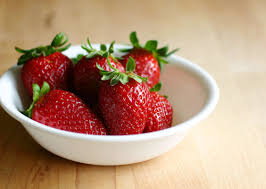
Succulent Strawberries

Strawberries are probably one of the most popular fruits. They are a great source of fiber and phytochemicals. They are very sweet-tasting and inexpensive. Many people suggest eating them several times a week.
The phytochemicals in strawberries act as antioxidants, preventing free radical damage. Besides that, strawberries are also abundant in vitamin C. In fact, there is almost as much vitamin C in strawberries as oranges. Let's look at some of the health benefits of eating strawberries:
Better Vision

One of the antioxidants in strawberries, lutein, might help decrease the chances of macular degeneration. This is true of many fruit.
Heart Health
Like many other fruits, strawberries are high in potassium and low in sodium. This is great for the heart. They are also high in folate, which helps keep homocysteine levels in check. Higher homocysteine levels increase the risk of heart disease. Finally, strawberries have chemicals that hepl reduce inflammation in your arteries.
Painkiller
Some of the phytochemicals in strawberries act in much the same way that over-the-counter painkillers work by helping to reduce inflammation. The good thing is that there are no side-effects.
Strong Immune System
The higher vitamin C levels in strawberries is used by the immune system for different functions. As a side note, vitamin C is used for building tissue.

Cancer Prevention
Again with the phytochemicals, the phenols in strawberries have been linked to reduced risk of cancer. In fact, this is true of many berries.
Strawberries are easily found in any grocery store. When selecting them, it's important to find strawberries that are bright red and firm. You can buy frozen strawberries as well, but fresh is always better. Make sure there is no added sugar if you're buying the frozen kind.

Many people enjoy picking strawberries from the farmer's field. This is a pretty common activity and you can see signs for this driving down many country roads during the summer. Or you can just grown your own strawberries; it's pretty easy.
You'll want to eat them pretty quickly, as they go bad in a matter of days. You can store them in the fridge to keep them fresh. Make sure to wash them thoroughly before eating them. You can always freeze them, however, if you've bought more than you can handle. The vitamin C levels will diminish, but all of the other nutrients remain as they are.

These are another versatile fruit. You can eat them as they are. You can mix them in with different breakfast options like oatmeal or cereal. You can make some home-made yogurt. You can mix them into a fruit smoothie. You can make a fruit salad. Of course, you can make desserts out of them as well...just keep the sugar levels in check. Obviously any strawberry syrups or toppings are going to be composed almost entirely of sugar, with almost no nutritional value. You should probably steer clear of these.
These are a great fruit, though. If you eat them just a few times a week, while mixing some other berries into your diet (like blueberries) then you can enjoy great nutritional benefits.
Mark is an Internet Marketer and Electrical Engineer. His interests include meeting new people, making music, listening to music, travel and psychology. Come visit his latest website which helps people find the best information on Sennheiser wireless headphones and gauge the quality of a wireless headphones review.

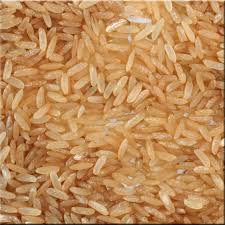
Healthy Eating - Brown Rice

Oryza sativa of the Poaceae family, is the Botanical name for what could be considered the most commonly consumed grains in the world. It is included in the diets in many Countries and of many cultures around the world. It is especially popular in South East Asia where it is consumed on an almost daily basis.
As far as production goes, Rice is likely second only to Maize, more commonly known as Corn.
Rice is likely the basis of at lest 20% of the calorie intake in the world by humans. Although its popularity is high, it is still a relatively untapped source of food security in third world countries where it has the potential to improve nutrient intake and improve health dramatically.
Rice can grow to almost 2 metres tall though it rarely reaches this height in annual cultivation. There are both Annual and Perennial species of rice. Most are treated as annuals and re-sown each year. Rice can grow almost anywhere providing it receives ample water. It can often be seen growing on the side of mountains in China and other countries in swale-like cut outs in the side of these mountains.
Rice is traditionally grown in flooded Rice fields or paddies. This serves many purposes including providing the water it requires to grow as well as keeping weeds away, since most weeds won't grow under water.
Brown Rice differs from white rice in that it has only had the outermost layer (the hull) removed which maintains the nutritional value of the rice. White rice goes through a process of further milling and polishing which removes a large quantity of the nutrient value.
Rice is one of the most nutritious grains available for human consumption. Thiamine (B1), Riboflavin (B2), Niacin (B3), and Vitamin B6. Brown rice is high in biotin, Vitamin E and Vitamin K. It is rich in Folate and contains pantothenic acid.
Brown rice is high in Dietary Fibre and Carbohydrates.
Brown rice can be cooked and used in several ways. I prefer to use it in savoury based dishes, but I have seen it used in deserts and sweet dishes.
Brown rice is ideal to use as fried rice, typically with bacon pieces and egg.
Brown rice can be boiled and used plain with meat and salad, mixed with a sweet and sour sauce or sweet chilli sauce.
I like to replace noodles or white rice with any Chinese meal that suggests anything other than Brown rice be used.
Brown rice can be added to soups and stews though I would not add as much as I would pearl barley
Brown rice is a very versatile grain with many health benefits and should be included in a healthy diet at least 2 days a week. With its high carbohydrate content I always recommend dishes with rice be consumed as a mid day meal to allow the body to use its excess energy. Eating carbohydrates as an evening meal can prevent sustainable weight loss.
Eric describes himself as being "Passionate about Organics". Eric is Married and has 2 Children. Eric and his wife Narelle represent Miessence Certified Organic Skin Care, Cosmetics, Home & Nutritional Products. www.buy-organic-products.com Brown Rice is an ingredient in In-Liven Probiotic Superfood

Thursday, June 10, 2010

Healthy Foods to Lose Weight Fast

In today's society it can often be very confusing when it comes to nutrition. There are many conflicting views to the point where you don't know where to turn. If you are somewhat overwhelmed and want to know some healthy foods to lose weight fast keep reading this article.
The first rule to keep in mind is that the less processed a food is the better. Most things that come in a box are not that good for you. Frozen TV dinners are a prime example.
One of best foods you can eat to lose weight is oatmeal. This is one of the greatest sources of starchy carbohydrates you will find.
It has a very low glycemic index which means it is a slow digesting carbohydrate. This is exactly what you want when you are trying to lose weight.
Make sure you don't buy the pre-packaged flavored oatmeal though. This kind contains things like preservatives and sugar.
Next are egg whites. They are a great low fat source of quality protein and they are also low in calories. They are also relatively inexpensive.
You can cook them using non-stick cooking spray and there are tons of ways to cook them. Omelets, scrambled etc. You can even buy pure egg whites in cartons that will save you the time of separating the yolks yourself.
The yolk does contain a lot of nutrition such as vitamins and protein but they are also much higher in calories than the whites. So if you are going to eat them I would do so sparingly.
Another inexpensive source of protein is tuna. You can get one can for under a dollar and you can store it for long periods of time. It is also portable which is a great benefit.
You should avoid buying tuna packed in oil because it will add extra calories that you don't need. You can use the tuna in sandwiches or you can throw it into a salad.
If you become tired of tuna there are always chicken breasts. While they do cost a little more they are also a great source of lean protein. Only make sure there is no skin on them.
You can grill them or bake them for the best results and you can add different types of seasonings to add to the taste. It also mixes well with brown rice.
If you are looking for another great source of carbs there is also brown rice. It takes a little longer to make than white rice but it is much healthier for you and will be much better for losing weight.
It contains a lot of fiber which helps to make you feel full longer and it mixes well with a variety of foods. You can also make it in bulk to save on cooking time and you can store the rest in the refrigerator for later.
So if you are in a hurry I highly recommend that you try these healthy foods to lose weight fast. They have been proven to work and they should be the staple of any fat loss diet.
Did you find this article helpful? You can learn many more healthy weight loss diet tips by grabbing a free copy of Healthy Weight Loss Revealed. It teaches 12 powerful metabolism boosting keys to permanent weight loss.
Related Posts with Thumbnails